Trying to decide whether to produce your Sebastopol wine through a custom crush partner or invest in your own on‑site facility? You are balancing speed to market, capital, and the story you want to tell. In this guide, you will see how each path plays out in West Sonoma Coast conditions, from permitting and timelines to brand and resale value. Let’s dive in.
Sebastopol factors that shape the choice
Sebastopol sits on the cool edge of the West Sonoma Coast, where Pinot Noir and Chardonnay thrive. Harvest timing, sorting needs, and boutique lot sizes are common, which influences the scale of equipment and staffing you may need. The area benefits from wine tourism, but it is not as concentrated as central Sonoma or Napa, so your tasting room location and permit terms will affect visitation.
Local approvals matter early. Plan to consult Permit Sonoma for land use and winery ordinances, Sonoma County Environmental Health for water and septic, Cal Fire or your local fire district for access and fire safety, the TTB for federal bonding and label approvals, and the California Department of ABC for state licensing. These agencies will shape your timeline, design choices, and operating conditions.
Custom crush: what it is
Custom crush means you contract production at an established facility that provides equipment, cellar work, and often lab, bottling, and storage. Agreements can be per ton, per gallon, or a package that covers the full season. This model is popular with boutique producers who want to move quickly without major upfront spend.
Advantages in Sebastopol
- Low upfront capital so you conserve cash for fruit, packaging, and sales.
- Much faster time to market. You can often produce your first vintage the same season, depending on facility availability.
- Flexibility to scale up or down, test new SKUs, and pivot as demand evolves.
- Access to experienced cellar staff and proven equipment without hiring a full team.
- Lower immediate regulatory burden if you do not operate production or sales on your property.
Drawbacks to watch
- Less direct control over day‑to‑day cellar decisions and schedules, especially at harvest and bottling.
- Capacity conflicts can arise. Prime slots are competitive and must be reserved.
- Per‑unit costs can exceed owned capacity at higher volumes. The tipping point varies by fee schedule and your growth.
- Limitations for on‑site storytelling and visitor experiences tied to your own property.
- Contracts must clearly assign title, insurance, and responsibility for losses, contamination, and compliance records.
Timeline and costs overview
You can typically move from term sheet to first lots in weeks to a few months, subject to harvest timing. Expect operating line items such as per‑ton processing, barrel storage by the month, lab and bottling fees, handling and warehousing, and potential monthly minimums. Build a model that reflects your case goals and seasonality.
Custom crush contract checklist
- Pricing model, inclusions, and escalation clauses.
- Minimums, maximums, and guaranteed harvest and bottling slots.
- Title to wine at each stage and who handles taxes and excise.
- Quality control, acceptance standards, rework rules, and dispute process.
- Insurance, indemnity, and liability allocation.
- Confidentiality or exclusivity if similar brands share the site.
- Bottling and co‑packer logistics, including QA responsibilities.
- Access rights for visits, blending, and barrel management.
On‑site production: what it means
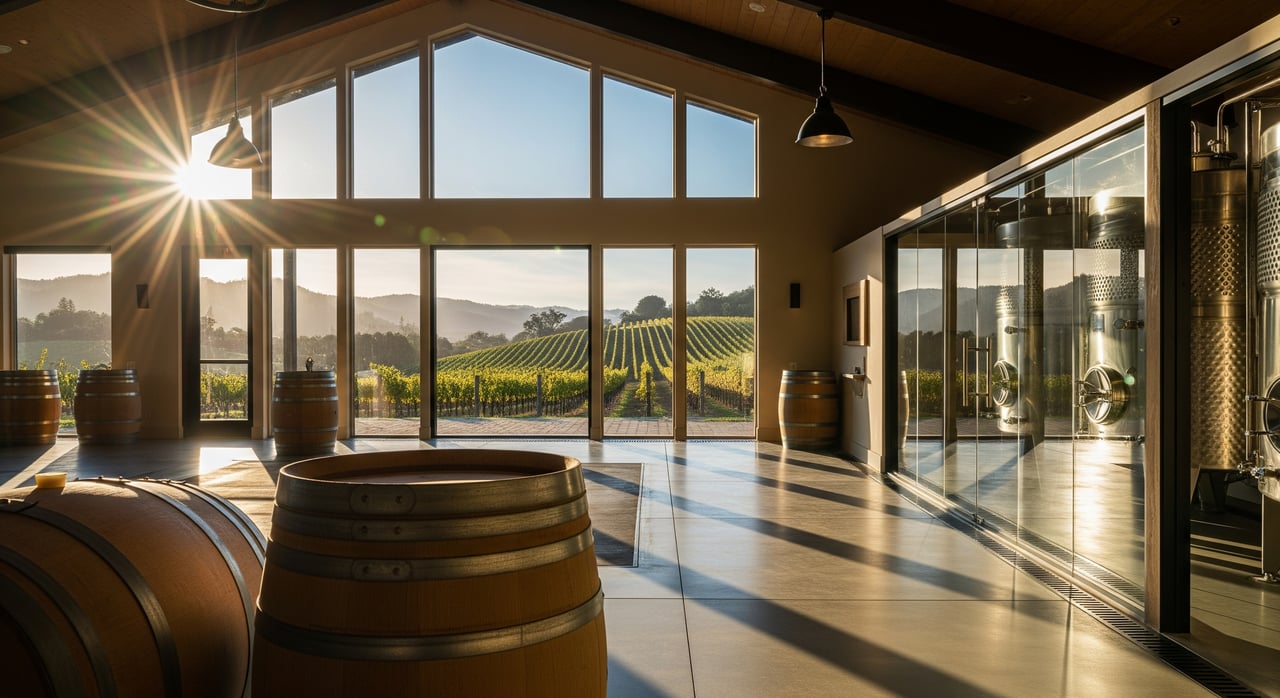
Owning capacity can come from buying an existing permitted winery or building a new facility. Both routes give you full control of winemaking, recordkeeping, and hospitality. They also require careful planning for land use, utilities, and financing.
Advantages you gain
- Full control over quality, scheduling, and compliance.
- Stronger brand story with vineyard‑to‑bottle visibility and on‑site hospitality.
- Potentially lower long‑run per‑unit costs once you reach scale.
- Asset value in a permitted winery and tasting facility that may appeal to buyers at resale.
- Ability to capture more revenue streams such as club, tours, and events where permitted.
Constraints and risks
- High initial capital for improvements, equipment, water and wastewater systems, and fire‑safety measures.
- Longer and less predictable permitting timelines, plus design and consulting fees.
- Ongoing fixed costs for labor, utilities, insurance, and maintenance.
- Financing is more complex, and lenders will scrutinize entitlements and pro formas.
Permitting steps and timelines in Sonoma County
Most winery uses require a Use Permit or modification through Permit Sonoma. Minor changes can take 6 to 12 months. New facilities or projects with environmental review can take 12 to 36 months or more. Projects that trigger CEQA add time and cost. Plan for Environmental Health approvals for septic and wastewater, Cal Fire review for access and on‑site water storage, TTB bonding and registration for the bonded premises, and ABC licensing for sales and tasting rooms.
Operational realities in Sebastopol
Water supply is often the limiting factor. Seasonal wells and proof of availability can drive design and cost. Septic and wastewater systems must fit local soils and rainfall, which can affect capacity. Tasting rooms and events can require parking plans, traffic studies, and off‑site solutions. Wildfire mitigation, emergency access, and insurance availability can influence both design and operating budgets.
Financing and tax angles
Ownership is capital heavy up front, with building and equipment costs that are generally depreciable. Custom crush fees are usually deductible operating expenses. Your break‑even volume depends on construction costs, service rates, labor, and debt service. Model several scenarios and consult a CPA who understands wine inventory and excise rules.
Brand, hospitality, and resale impact
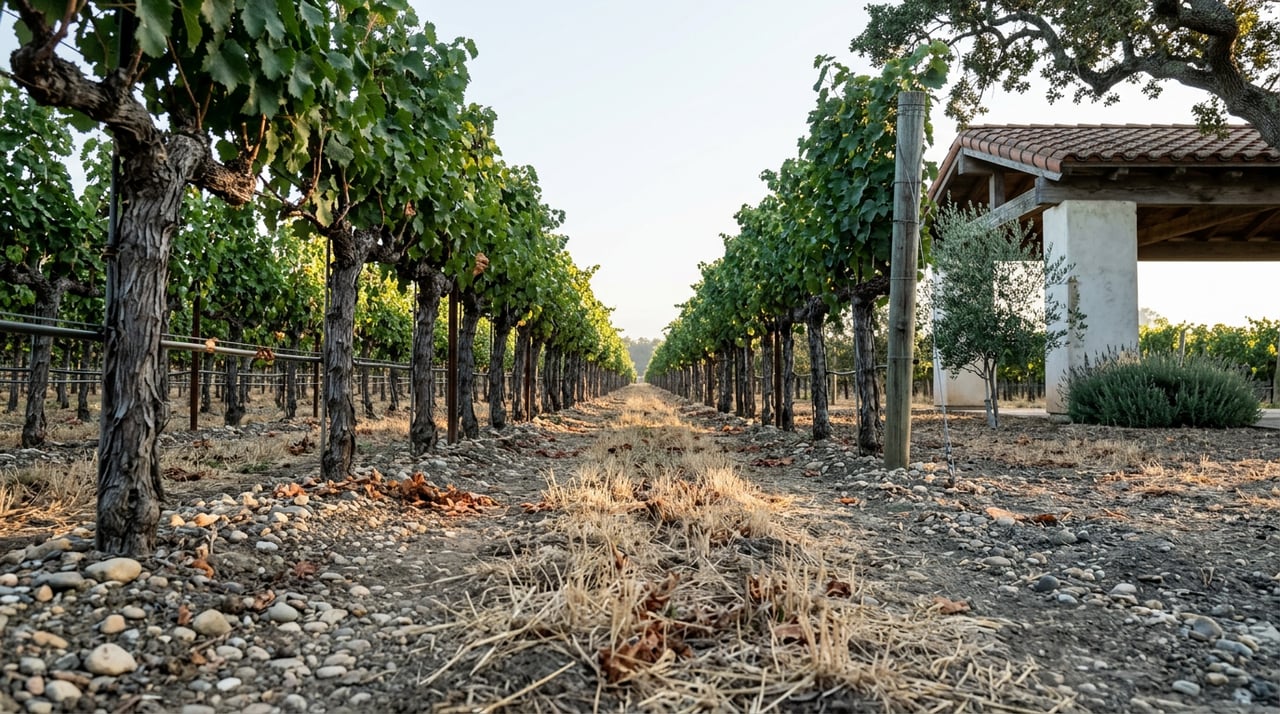
On‑site production strengthens your terroir story and gives visitors a direct connection to your vineyard and process. That can be pivotal for premium Pinot Noir and Chardonnay brands that rely on intimate tastings and club growth. Custom crush still supports strong brand building through packaging, storytelling, and off‑site or urban tasting experiences, but it offers less authenticity tied to a specific property.
A fully permitted winery with a tasting room can be a compelling real estate asset at resale. Entitlements reduce uncertainty for buyers and lenders. If you operate through custom crush, your value sits in brand equity and inventory rather than real estate, and buyers will look closely at third‑party contracts and transferability.
Permits and bonds can often transfer with a sale, but they require formal procedures, notice, and lead times. Plan transitions early to avoid production or sales gaps.
Which path fits your plan?
Use these guiding questions to clarify your direction:
- Production plan: How many cases per year for the next 3 to 5 years, and how variable is your fruit supply?
- Hospitality goals: Do you need a tasting room on your property to meet revenue targets, or can you build your audience off‑site for now?
- Site readiness: Do you own land with suitable water, wastewater capacity, and access, or will you need extensive upgrades?
- Regulatory tolerance: Can your timeline accommodate a 12 to 36 month permitting window, or do you need first releases sooner?
- Cash and risk: Is capital best deployed into facilities today, or should you preserve cash and invest in demand generation first?
- Contract security: If you outsource, can you lock in capacity, scheduling, and quality protections you trust?
- Exit horizon: Are you optimizing for long‑term ownership with a real estate asset, or a nearer‑term brand build with flexibility?
Simple rule of thumb
- Prioritize custom crush if speed, flexibility, and capital preservation are critical in the next 1 to 2 vintages.
- Prioritize buying an existing permitted facility if you want control, hospitality, and faster on‑site activation than a ground‑up build.
- Consider building new when you control the right site and you are planning for long‑term scale with a strong brand and club strategy.
Practical next steps
- Define a realistic 3 to 5 year production and hospitality plan.
- Build a side‑by‑side cost model that compares custom crush, buying, and building. Include capex, opex, debt service, and conservative sensitivity cases.
- Meet early with Permit Sonoma and Environmental Health to screen parcels or activities and identify likely triggers and constraints.
- Request term sheets from at least two custom crush providers and ask for client references.
- Engage a wine industry attorney before signing production contracts or negotiating for a permitted facility.
- Evaluate wildfire exposure, insurance availability, water supply, and wastewater limits as part of site due diligence.
If you want a clear, confidential read on your options in Sebastopol, we can help you evaluate entitlements, model scenarios, and source either custom crush arrangements or permitted facilities that fit your plan. Start a conversation with Wine Country Consultants to align your production path with your brand and investment goals.
FAQs
How fast can a Sebastopol startup release wine using custom crush?
- Many producers can move from contract to first lots within weeks to a few months, then bottle on the provider’s schedule, subject to harvest timing and availability.
What permits are needed to build a small winery in Sonoma County?
- Expect a Use Permit through Permit Sonoma, Environmental Health approvals for wastewater, fire access review, TTB bonding, and ABC licensing for sales or tasting.
How do water and septic limits affect Sebastopol winery projects?
- Seasonal wells and soil conditions can cap production and hospitality capacity, and may require engineered systems that add cost and lengthen approvals.
What changes when buying an existing permitted winery instead of building?
- You gain speed by leveraging entitlements and infrastructure, though you still need to handle permit transfers, TTB updates, and operational due diligence.
When does on‑site production beat custom crush on cost?
- The break‑even volume varies by build costs, labor, and service rates, so model multiple years that include depreciation and debt service versus per‑unit fees.
Can you host events if you produce off‑site through custom crush?
- Hosting on your property may still require local permits and conditions for visits, parking, traffic, and noise, even if production occurs elsewhere.