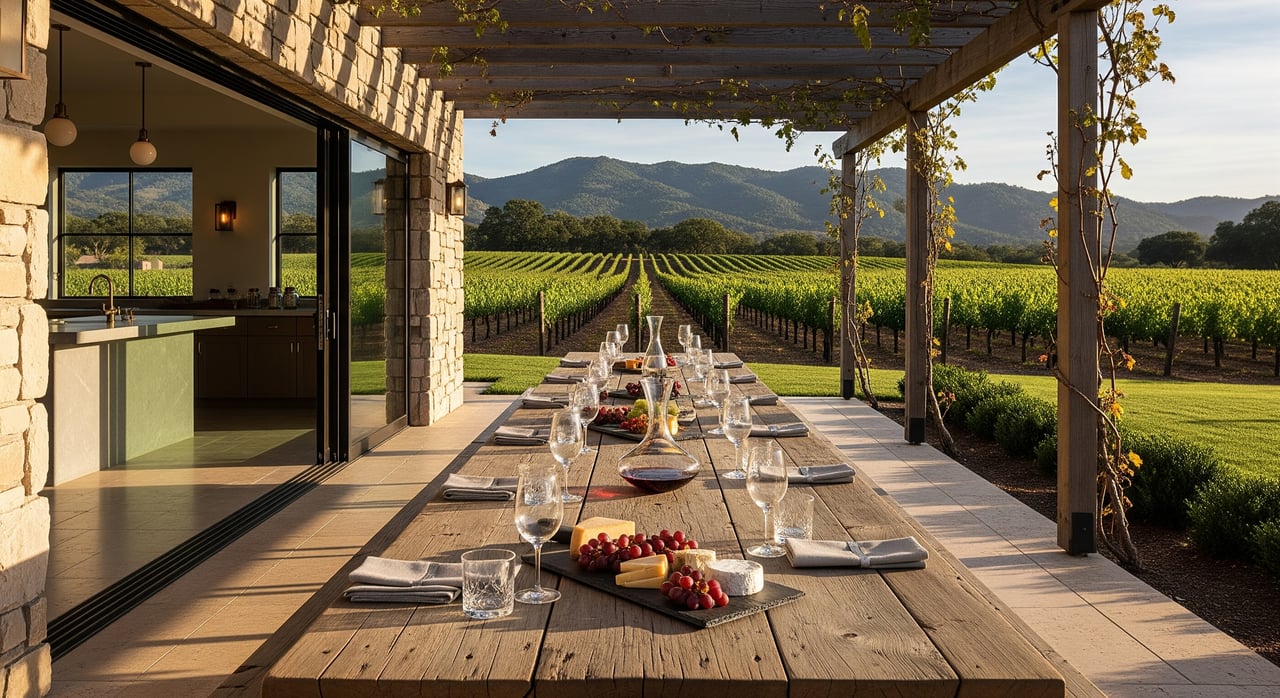
Oakville Tasting Room Permits and Winery Hospitality
January 1, 2026
January 1, 2026
Are you planning to refresh tastings or add events at your Oakville winery estate? You want memorable experiences that fit your brand, but you also need to stay within Napa County permits and keep neighbor relations strong. In this guide, you’ll learn how to align hospitality programming with your entitlements, design operations that support compliance, and set up a clean path for approvals if you need more capacity. Let’s dive in.
Your hospitality program sits at the intersection of several agencies. Napa County Planning oversees winery land use and permit conditions. The County’s Code and General Plan guide zoning, noise, parking, and environmental standards. Public works reviews access and traffic. Environmental Health oversees septic and wastewater. The California Department of Alcoholic Beverage Control manages alcohol service licensing. Industry groups provide best practices that can help your planning.
Most Oakville wineries operate under a use permit that defines production and hospitality. Conditions of Approval set numeric and operational limits. These often include daily or annual visitor caps, number and size of marketing events, allowable hours, rules for amplified sound, required parking, and wastewater or water use limits. Traffic and noise mitigation may be required. Your permit is your playbook. Program within it unless you amend it.
If you want more visitors, more events, longer hours, or new service types, plan on a permit amendment or a new use permit. Expansions usually trigger County review and a public process. Early planning with County staff and neighbors improves outcomes and timelines.
Daily tastings are often part of a base winery entitlement. They may be by appointment, with a daily visitor cap. Use reservations and staggered arrivals to avoid spikes that can strain parking and traffic limits.
Guided tours, seated reserve tastings, and small, high-touch experiences are usually easier to align with visitor caps and traffic controls. They deliver strong brand value with fewer cars and less noise.
Food-and-wine pairings can elevate the guest experience, but they can also increase wastewater and trigger health permit requirements. Plan kitchen or caterer workflows with Environmental Health in mind. Confirm septic capacity before scaling these offerings.
Permits often distinguish marketing events that promote your wine brand, such as club, trade, press, or release gatherings, from social events like weddings or concerts. Marketing events may be allowed up to a set number per year with defined attendance. Large social events typically face stricter limits or may be prohibited.
Separate guest movement from production and service routes to protect safety and brand ambiance. Design clear ingress and egress to keep cars off public roads. Use reservations and timed arrival windows to reduce queues and maintain a relaxed guest cadence.
Plan stalls for peak concurrent guests plus staff. Operational planning often uses about 2.0 to 2.5 persons per car for tastings and 2.5 to 3.0 for group events. Confirm assumptions with the County. Add drop-off zones, shuttle staging, and valet to limit on-site parking loads and prevent street spillover. Provide accessible stalls and routes.
Place tasting patios and event areas away from the nearest residences when possible. Use vineyards, trees, berms, and fencing to buffer sound. Choose directional, shielded lighting and set curfews for exterior lights to avoid glare. If you plan amplified music, orient speakers toward interior areas and use sound mats or temporary shelters to contain audio.
Hospitality increases wastewater. Temporary restrooms and food service can push septic capacity. Coordinate early with Environmental Health on septic, leach fields, and grease management. Consider composting and efficient waste systems as part of your sustainability story.
Align pairing menus and on-site preparation with health permits and inspections. Ensure staff training and the correct ABC license for on-site service and sales. Clear service policies reduce risk and support a smooth guest experience.
Provide ADA-compliant paths from parking to tasting areas, restrooms sized to your permitted occupancy, and accessible seating. Mark emergency egress for indoor and outdoor spaces and plan for seasonal weather with shade, heating, and drainage strategies.
Traffic and on-street parking, noise from music and late departures, light spill, security, and environmental impacts typically rise to the top for Oakville neighbors. Acknowledge these early and plan visible mitigations.
Use shuttles, valet, and timed reservations to manage traffic. Set curfews, monitor sound, and orient speakers away from property lines. Add landscape screening and low-profile event staging. Operate with reservation-only access, clear guest conduct policies, and staffed parking management for larger gatherings.
Proactive outreach reduces opposition. Meet neighbors early, share a concise summary of your program and mitigations, and designate an on-call contact during events. Maintain logs for visitors, parking counts, and noise monitoring. Periodic compliance reports build trust with both neighbors and County staff.
Pull your current use permit and Conditions of Approval. Note numeric limits on visitors per day, events per year, maximum attendance, and hours of operation. Flag noise, parking, and wastewater conditions that will shape your program design.
Set a pre-application meeting with Napa County Planning to align your concept with your entitlements. Consult a local land-use planner or winery-permits specialist. Bring in traffic, noise, wastewater, and water supply experts as needed. Early, right-sized advice saves time.
Expect to provide a traffic and parking study, a predictive noise analysis with mitigation, and a septic or sewer capacity assessment. Depending on site work, water demand, biological or cultural resources, and visual assessments may also be required. If thresholds are met, CEQA review can apply.
Prepare a Winery Events Management Plan that covers reservations, arrival windows, shuttles, parking layouts, signage, guest conduct, security, and noise controls. Map guest arrival and service routes and confirm accessible paths. Plan restroom capacity and identify when temporary facilities are used.
Build systems to track visitors, parking, and sound. Assign a single staff contact for neighbor inquiries. If your program will exceed permitted uses, assemble a complete amendment application with technical studies and a record of neighbor outreach.
A high-touch, reservation-only program often delivers the strongest brand lift in Oakville while staying within visitor caps and traffic constraints. With thoughtful site design, visible mitigations, and early outreach, you can host memorable experiences that respect neighbors and meet County expectations. If you want help aligning entitlements with your business goals, our team understands both the regulatory path and the brand considerations that matter to discerning buyers and legacy owners.
Ready to plan the next phase of your Oakville hospitality program? Schedule a confidential consultation with Wine Country Consultants.


We are a family real estate firm focused on legacy vineyards and wineries. Our unique approach to buying and selling properties highlights a deep understanding of the historical importance every property holds as well as its potential in today’s market. Contact us today to find out how we can be of assistance to you!