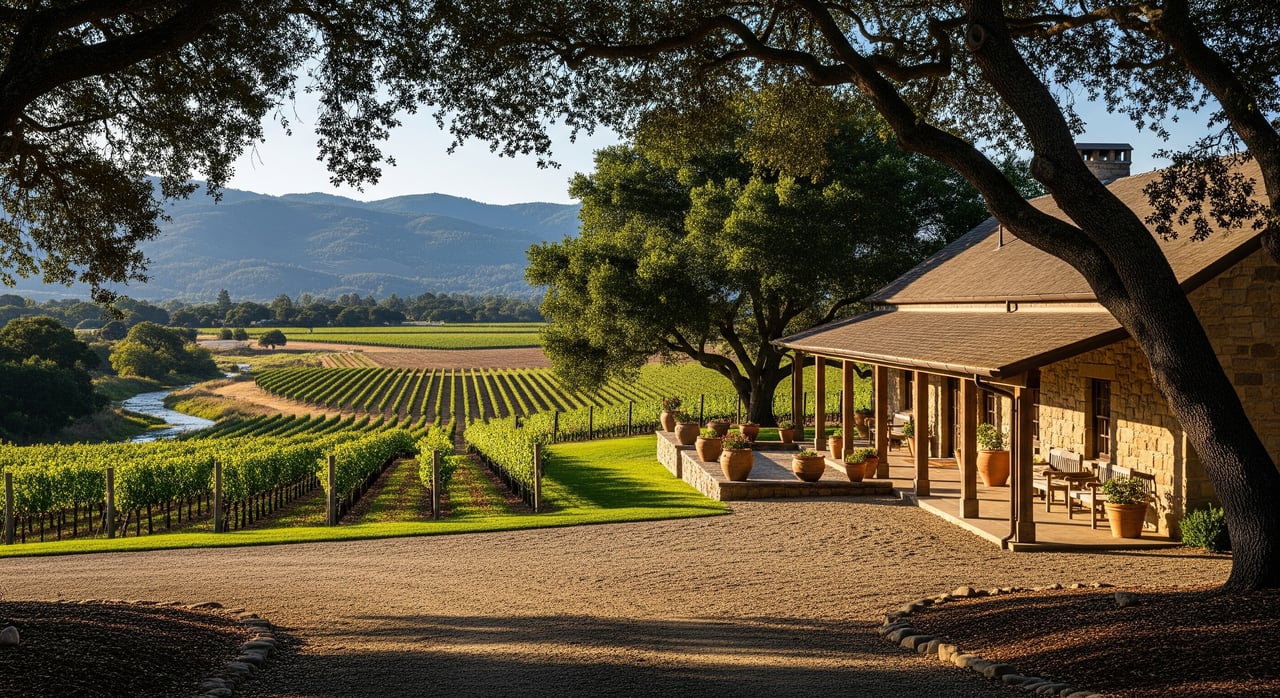
Sonoma AVA Buyer’s Guide for Healdsburg Vineyard Purchases
December 4, 2025
December 4, 2025
Buying a vineyard near Healdsburg can feel like choosing a future for your wine and your brand. The right American Viticultural Area (AVA) will shape your grape choices, ripening, and market positioning for years to come. In this guide, you’ll learn how Russian River Valley, Dry Creek Valley, and Alexander Valley differ, what that means for varietal fit and yields, and what to confirm before you buy. Let’s dive in.
Healdsburg sits at the center of Sonoma wine country, with quick access to Russian River Valley, Dry Creek Valley, and Alexander Valley. Most parcels in these AVAs are within 10 to 30 minutes of town, depending on road access and where the property sits in the valley or on the benchlands. That proximity supports easier vineyard management, harvest logistics, and direct-to-consumer activity if hospitality is part of your plan.
Being close to a strong wine tourism hub also helps tasting rooms and wine clubs. If you want to build a direct-to-consumer program, parcels with efficient access to Healdsburg can carry added utility and value.
Russian River Valley is maritime influenced with frequent coastal fog and a morning marine layer. The climate supports an even, slower ripening curve that preserves acidity and builds layered flavor. Soils include fine sandy loams such as Goldridge-type soils with good drainage that support healthy root development.
Varietal fit in Russian River Valley centers on Pinot Noir and Chardonnay. You also see small amounts of cool-climate whites and lighter Syrah from select sites. Harvest often occurs later than in warmer AVAs, with balanced sugars and natural acidity that suits premium, age-worthy styles.
Yields are commonly moderated in premium Pinot and Chardonnay blocks to emphasize quality. Cooler, foggier pockets can carry higher mildew pressure, so canopy management and disease control matter. If you value cool-climate prestige and elegant styles, RRV parcels close to Healdsburg are strong candidates.
Dry Creek Valley typically sees warmer days than Russian River Valley with cooling evenings. The valley floor and benchlands offer varied meso-climates, and soils range from alluvial gravels to productive loams that accumulate heat well. This mix sets the stage for both heritage vines and efficient production.
Zinfandel has a long history here, alongside Sauvignon Blanc and Petite Sirah. Select warmer sites also carry Cabernet and Rhône varieties. Harvest windows often open earlier than in Russian River Valley for the same varieties because of the added warmth.
Yields can be higher, especially on the valley floor, though old-vine Zinfandel blocks often produce lower tonnage with strong brand value. When evaluating a Dry Creek parcel, compare valley-floor productivity with benchland nuance, check water access, and confirm frost protection in colder pockets.
Alexander Valley is warmer overall and offers a longer growing season than Russian River Valley. The diurnal swing helps ripen Bordeaux varieties while maintaining balance. Soils include deeper, coarser alluvial deposits and gravelly loams on valley floors and benches.
Cabernet Sauvignon and Merlot are hallmark varieties, with Zinfandel present and Chardonnay in cooler pockets. The warmth supports phenolic ripening and fuller-bodied styles that many premium Cabernet programs seek. Benchland and slope sites are often farmed for lower yields to target higher-tier wines.
Buyers focused on Cabernet brand-building often look to Alexander Valley benchlands and warm exposures. Confirm access to crush capacity, labor and logistics during harvest, and any history of wildfire smoke exposure or other risk factors.
Appellation reputation influences grape and land pricing, especially when an AVA is strongly associated with a variety. Russian River Valley often commands premiums for Pinot Noir and Chardonnay in the cool-climate segment. Alexander Valley supports Cabernet programs aimed at fuller-bodied red wine consumers and broader distribution. Dry Creek’s Zinfandel and heritage sites can be positioned as terroir-driven or value-driven depending on your brand strategy.
Labeling follows federal rules. To use an AVA on a label, at least 85 percent of the grapes must come from that AVA. Single-vineyard and estate designations can add prestige when you control production and the site has distinct character.
Finally, proximity to Healdsburg supports direct-to-consumer growth. Local hospitality permits, parking, and noise rules vary, so align your property search with the entitlements you will need for tasting and events.
Ownership and title
Water and irrigation
Permits and land use
Vineyard specifics
Contracts and sales
Climate and risk
Infrastructure and logistics
Financial and taxation
Marketing fit
You want cool-climate prestige and acidic balance
You value heritage, productivity, or both
You aim to build a premium Cabernet program
Choosing between Russian River Valley, Dry Creek Valley, and Alexander Valley comes down to your wine style, target consumer, and operating plan. Align your varietal goals with each AVA’s climate and soils, test the economics through yield history and contracts, and confirm entitlements that match your DTC or distribution strategy.
If you want a confidential, expert partner to help you underwrite a vineyard acquisition or source an off-market opportunity, schedule time with our advisory team at Wine Country Consultants. Our family-led brokerage pairs decades of viticulture real estate experience with a curated network of appraisers, lenders, insurers, and vineyard specialists to help you move from vision to closing with confidence.

We are a family real estate firm focused on legacy vineyards and wineries. Our unique approach to buying and selling properties highlights a deep understanding of the historical importance every property holds as well as its potential in today’s market. Contact us today to find out how we can be of assistance to you!