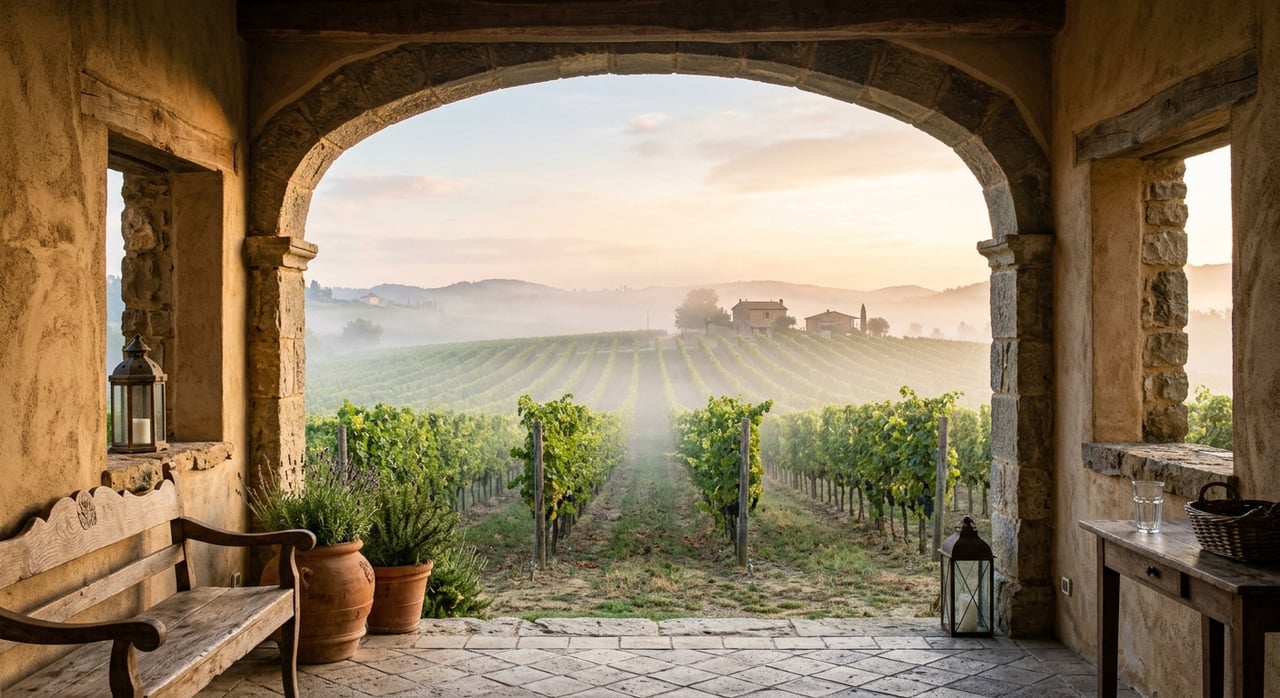
Carneros vs Sonoma Valley Vineyards for Estate Buyers
April 16, 2026
April 16, 2026
If you are searching for a Sonoma estate vineyard, one choice can shape everything from your wine program to your guest experience: Carneros or Sonoma Valley. The right fit is not just about beauty or prestige. It is about appellation, climate, permitted use, and how you want the property to function over time. This guide will help you compare both options so you can make a more informed estate decision in Sonoma. Let’s dive in.
For an estate vineyard, location affects more than the view. It can influence how the property is identified on a wine label and how you position the estate in the market.
According to the TTB’s AVA resources, Los Carneros and Sonoma Valley are separate American Viticultural Areas, or AVAs. Los Carneros spans both Napa and Sonoma counties, while Sonoma Valley is its own Sonoma County AVA. If you are evaluating a parcel, that boundary can have real branding implications for future wine sales and estate storytelling.
Carneros sits at the northern edge of San Pablo Bay, and the TTB’s Los Carneros final rule describes it as low hills and flatlands shaped by cool marine influence. Sonoma Valley has a broader geographic identity, with the city of Sonoma at its center and Carneros forming the southern end of the valley corridor.
There is also a heritage distinction. The Sonoma Valley wine primer describes Sonoma Valley as the birthplace of California’s wine industry, with vineyard roots dating back to 1824. If history and broad regional recognition matter to your long-term brand, Sonoma Valley may offer a different kind of narrative than Carneros.
The most practical difference between Carneros and Sonoma Valley is climate. That difference can influence what you plant, how you farm, and what kind of estate program makes sense.
Carneros is the cooler and more specialized option. The TTB’s Los Carneros description notes a long, cool growing season and afternoon sea breezes, and it specifically states the region is too cool to adequately ripen Cabernet Sauvignon.
Instead, Carneros is well suited to early-ripening grapes such as Pinot Noir and Chardonnay. The research also points to these grapes, along with sparkling wine, as signature categories for the region. If your vision centers on a focused cool-climate estate, Carneros often aligns well with that goal.
Sonoma Valley supports a broader varietal mix. According to the Sonoma Valley Visitors Bureau, the valley benefits from cooling breezes off San Pablo Bay and the Petaluma Gap while also supporting Chardonnay, Pinot Noir, Cabernet Sauvignon, and Merlot, as well as warm-climate varieties like Zinfandel and Syrah.
The same source notes fifteen distinct soil types across five AVAs in the valley. For you as a buyer, that means Sonoma Valley may provide more flexibility if you want a mixed planting strategy, a broader estate label portfolio, or a site with slope or mountain influence.
Before choosing a parcel, it helps to define what kind of estate you want to build or acquire. Climate and appellation should support that vision, not fight it.
Carneros is often the stronger fit if you want:
In simple terms, Carneros may appeal if you want an estate that is tightly aligned with site expression and premium cool-climate fruit.
Sonoma Valley may be the better choice if you want:
If your long-term plan blends wine production with a larger branded estate experience, Sonoma Valley often gives you more room to think across multiple use cases.
An estate vineyard is not only an agricultural asset. In many cases, it is also part of a hospitality and brand ecosystem. That is why visitor patterns matter.
Sonoma County remains a major tourism market. Sonoma County Tourism reports 10.5 million visitors in 2024, including 4.7 million overnight visitors and 5.8 million day visitors. The same report cites $2.442 billion in direct travel impacts countywide, with winery-related experiences among the leading visitor activities.
The city of Sonoma is a meaningful tourism anchor within the valley. Sonoma County Tourism’s 2024 quick facts report shows direct travel impacts in the city of Sonoma of $172.5 million and 1,589 jobs.
The Sonoma Valley Visitors Bureau also describes the area as having more than 110 lodging properties, more than 100 wineries, and more than 40 restaurants. For a buyer, that points to a well-developed tourism framework that can support tasting, dining, and overnight visitor demand.
Carneros presents a different style of visitor experience. Sonoma County Tourism’s Carneros Wine Alliance page highlights private group tasting areas, outdoor fireplaces, cabanas, cave tours, and bay views.
That suggests a more estate-driven and reservation-oriented feel rather than a downtown-centered tasting circuit. If you are seeking a private, elevated, by-appointment hospitality model, Carneros may better match that approach.
A beautiful site is only part of the decision. In Sonoma County, your ability to operate hospitality or event uses depends on permitting, and those approvals are site-specific.
According to Permit Sonoma’s winery use permit process, winery and winery-event permits are discretionary and may require studies related to water availability, traffic, noise, and biological or cultural resources. Once vested, a use permit runs with the land.
If your estate vision includes guest experiences, it is important to understand the county’s framework. Permit Sonoma explains in its guidance for winery hospitality activities that public sales activities may include tasting rooms, tours, wine and food educational pairings, seminars, and related hospitality uses that support wine sales.
At the same time, food service must remain secondary and incidental. It cannot function as a stand-alone restaurant or café. That distinction matters if you are underwriting a hospitality-heavy estate concept.
Some agricultural properties may also support carefully limited overnight components. Permit Sonoma’s private guest accommodation guidance notes that private marketing accommodations and agricultural farmstays can be allowed in some zones, but they must support the agricultural operation rather than function like ordinary commercial lodging.
For you, that means a farmstay or related lodging idea may be possible on the right property, but it requires disciplined due diligence. It should not be treated like a hotel model.
If you are leaning toward Sonoma Valley, there is another planning factor to keep in mind. Permit Sonoma identifies Sonoma Valley as an area of local concentration for winery events and visitor-serving uses.
That does not mean approvals are off the table. It does mean traffic, parking, and community impacts are already part of the policy discussion, which can affect how you evaluate a property’s operational upside.
Here is a practical way to think about the decision.
Neither choice is automatically better. The better choice is the one that matches your intended wine program, guest model, and tolerance for entitlement complexity.
When you compare estate vineyard opportunities in Sonoma, try to evaluate each property through four lenses:
For many buyers, the best opportunity is not the most famous address. It is the estate where land, use, and long-term brand strategy line up cleanly.
Choosing between Carneros and Sonoma Valley often comes down to what kind of legacy asset you want to own. If you want help evaluating vineyard land, operational estates, or entitlement-sensitive opportunities in Sonoma wine country, Wine Country Consultants offers discreet, advisor-led guidance grounded in vineyard and winery real estate.
We are a family real estate firm focused on legacy vineyards and wineries. Our unique approach to buying and selling properties highlights a deep understanding of the historical importance every property holds as well as its potential in today’s market. Contact us today to find out how we can be of assistance to you!