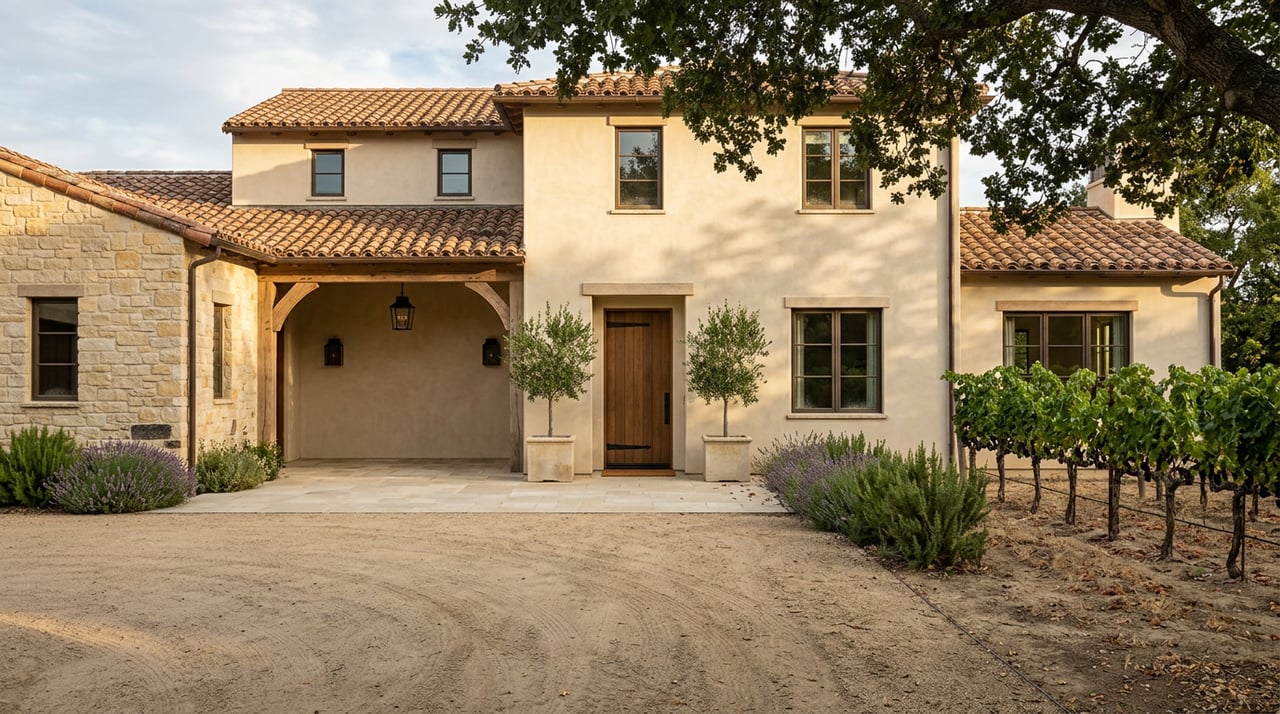
Calistoga Vineyard Estate Living in a Spa-Town Setting
March 24, 2026
March 24, 2026
Thinking about a vineyard estate where spa‑town ease meets serious winegrowing? In Calistoga, you get both: a small city known for hot springs and wellness resorts alongside volcanic soils and warm, north‑valley terroir. If you want a lifestyle property with real wine potential and thoughtful hospitality, Calistoga belongs on your short list. In this guide, you’ll learn how terroir, permits, water, and visitor strategy all come together in Calistoga so you can buy with confidence. Let’s dive in.
Calistoga sits at the northern tip of Napa Valley. It retains a small‑town feel with about 5,200 year‑round residents, according to the latest Census snapshot. QuickFacts from the U.S. Census Bureau offers a useful overview.
You also feel the resort identity everywhere. The town’s history revolves around geothermal hot springs and mud baths, and today’s visitors come for wellness paired with wine. Resorts like Indian Springs and Solage draw a steady flow of guests who seek curated tastings and intimate experiences. That pattern shapes how successful estates design their hospitality.
Calistoga’s planning culture values small‑town character and measured growth. The City’s General Plan concentrates tourism in defined areas and links growth to water and wastewater capacity. You should review the City of Calistoga General Plan early to understand how your intended use fits.
Calistoga has its own federally recognized appellation. The Calistoga AVA was established by the TTB with a final rule published in December 2009, effective January 2010. You can read the formal designation in the Federal Register AVA approval.
The terroir is among Napa Valley’s warmest with strong afternoon heat and notable nighttime cooling. That diurnal swing, plus well‑drained volcanic‑derived soils on many parcels, supports Bordeaux varieties, especially Cabernet Sauvignon. AVA petition materials relied on climate mapping and degree‑day analysis to define these differences, which is helpful context as you evaluate a site’s potential.
The north‑valley landscape shifts quickly with elevation and aspect. Parcels near Calistoga may sit within hillside districts like Diamond Mountain or Howell Mountain, or along the valley floor toward St. Helena. Always confirm the exact AVA boundary for any parcel and perform a soil and exposure assessment before committing to a planting plan.
Your permitting path depends on where the property sits.
This city‑versus‑county split is a major driver of feasibility if you want on‑site tastings, a small bonded winery, or guest services.
If you plan to make wine, sell it, or host customers, you should map permits at the federal, state, and local levels.
Water is a gating factor in Napa Valley, and Calistoga is no exception. Napa County adopted a Groundwater Sustainability Plan for the Napa Valley Subbasin, and its implementation influences well permits, pumping allowances, and reporting. If you rely on a well or plan irrigated agriculture or hospitality, study the Napa Valley Subbasin GSP and hire professionals for a water‑availability analysis.
Within city limits, water and sewer service capacity drive timing and feasibility for hospitality. Policy documents also discuss limits on extending service beyond boundaries. For background on service constraints and how they shape growth and annexation decisions, see the Napa LAFCO municipal service review.
Plan to confirm existing connections or septic permits, projected demand under your business model, and any city or county conditions tied to new or expanded uses.
Up‑valley parcels can face higher wildfire risk due to vegetation and topography. Build defensible‑space work, building‑code expectations, and realistic insurance availability into your underwriting. The City’s planning resources outline local hazard planning; consult the Calistoga General Plan and your fire agency early in due diligence.
Calistoga’s resort cluster brings a steady flow of leisure guests who value curated, appointment‑driven tastings and food‑pairing experiences. Because local rules often limit visitor intensity, many successful estates emphasize:
This model works well in Calistoga because it pairs the town’s wellness vibe with premium hospitality while respecting local planning goals. Coverage of county rules underscores why brands that depend on walk‑in crowds may struggle with caps on visitors and events. For context on rulemaking and event limitations, see the Chronicle’s piece on WDO effects.
Napa County grape prices are among the highest in California. The USDA’s California Grape Crush Reports show District 4 (Napa County) averaging in the multi‑thousand dollars per ton range in recent years. You can verify trends in the 2023 Final Grape Crush Report.
To budget for a new or replanted vineyard, the UC Davis/ANR cost studies are the industry standard. Use them to frame 3 to 5 years of establishment and operating expenses, adjusted for your trellis, density, and mechanization. Review current UC ANR cost and returns studies.
Land values in Napa Valley are high and very location‑sensitive. Published commentary and historic sales have placed prime parcels in the hundreds of thousands per acre, and select icons higher. Treat those numbers as directional only. Always verify current comparable sales and entitlement status for a specific Calistoga parcel before you pencil a valuation.
Here is a practical checklist to protect your time and capital:
Confirm jurisdiction and zoning
Map your permit stack
Validate water and wastewater
Evaluate site and soils
Address fire and insurance
Build your business model
Buying a vineyard or winery estate in Calistoga is part passion, part precision. You need local insight on zoning, water, and visitor rules, plus a clear view of soils, permits, and brand strategy. As a boutique, family‑led advisory focused on legacy vineyards, operational wineries, and high‑value agricultural estates, we help you assemble the right technical team, validate entitlements, and structure a plan that fits Calistoga’s resort‑town reality.
Our network of appraisers, lenders, insurers, and vineyard and branding specialists supports a thorough, confidential process. Whether you are exploring a turnkey estate or a raw parcel with potential, we bring 30+ years of Napa Valley perspective and a curated, advisor‑driven approach. When you are ready to explore Calistoga, schedule a confidential consultation with Wine Country Consultants.


We are a family real estate firm focused on legacy vineyards and wineries. Our unique approach to buying and selling properties highlights a deep understanding of the historical importance every property holds as well as its potential in today’s market. Contact us today to find out how we can be of assistance to you!