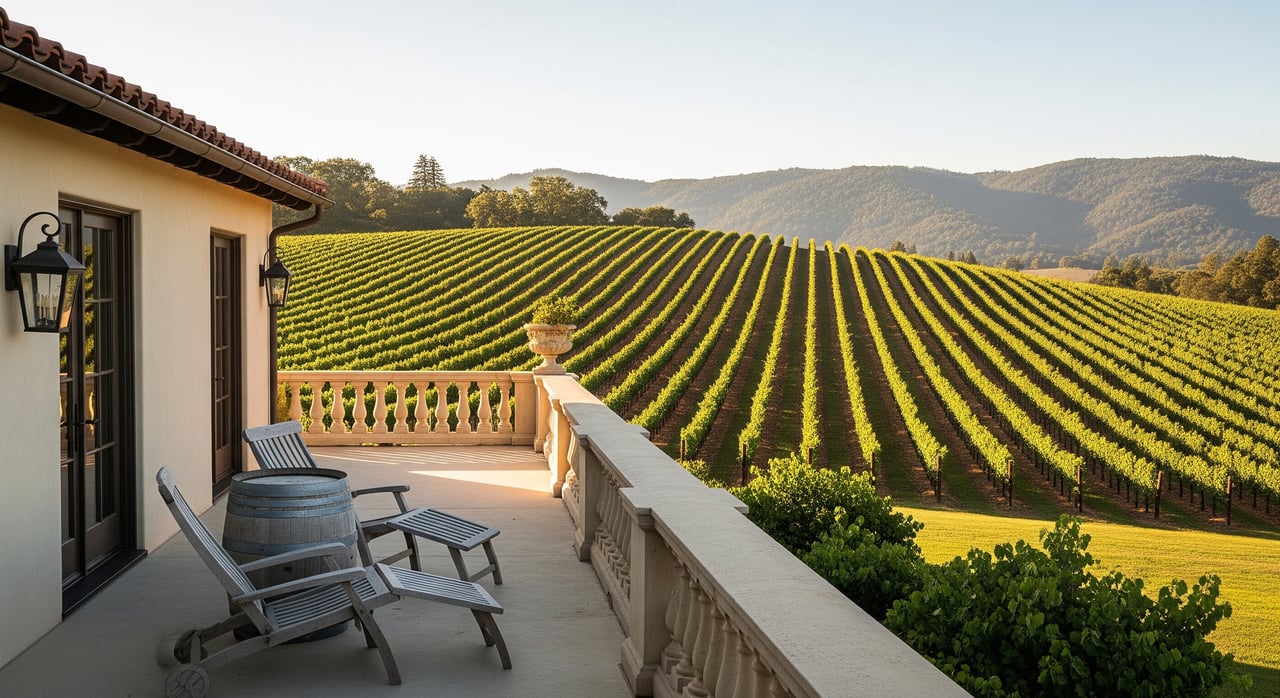
St. Helena Vineyard Estate Living: Rhythm & Reality
February 5, 2026
February 5, 2026
Ever wonder what daily life looks like when your backyard is a working vineyard? If you are drawn to St. Helena for its beauty and wine culture, you also want a clear picture of the rhythm, responsibilities, and rewards that come with an estate. This guide shows you what to expect, from seasonal work to local services, costs, permits, and wildfire readiness. Let’s dive in.
St. Helena sits in the heart of Napa Valley along Highway 29, with a small-town feel and about 5,400 residents. Main Street anchors downtown with dining, tasting rooms, and daily conveniences, while many vineyard and winery estates stretch across the valley floor and hillsides. Silverado Trail runs along the eastern edge and offers a scenic alternative for getting around. You live close to restaurants, growers, and wine professionals, which supports both lifestyle and operations.
You might find tens of acres planted, often with arrangements to crush fruit at a partner facility. Owners often manage day-to-day decisions, sell a limited amount of wine directly, and focus on a lifestyle experience with measured production goals.
These properties include planted acreage and onsite production, often with barrel storage and hospitality spaces. You will typically need permits for production and any tasting or events. Staffing, wastewater systems, and traffic planning are part of running a professional operation.
Older estates often combine historic homes with long-established vineyard blocks. The focus here is stewardship, estate-grown wines, and thoughtful hospitality. Owners usually prioritize continuity and the story of the land.
From December to February, vines are dormant. You handle winter pruning, trellis repairs, equipment service, and cover crop management. It is also when you make grafting decisions, order supplies, and plan seasonal hiring.
In March and April, vines wake up. You monitor for frost in cooler spots and begin shoot positioning and early pest checks. Irrigation systems are tested and readied for the dry season.
May and June bring flowering and fruit set. You manage canopy growth with leafing and shoot thinning, and you continue integrated pest and disease monitoring. The goal is balanced vines that set the stage for quality.
July and August kick off veraison, when berries change color and ripening begins. Irrigation management is critical, and disease pressure is watched closely. Visitor traffic peaks, so hospitality and tasting schedules often pick up.
From August through October, sometimes into November, harvest drives your calendar. You schedule picks, manage crush and ferment logistics, and coordinate labor and trucks. Weather can force quick decisions, so flexibility is essential.
In November and December, you clean up, amend soils, and seed cover crops. You help vines prepare for dormancy and turn toward winter maintenance and planning.
Labor needs vary with your acreage and quality goals. Premium programs rely on hand work during canopy management and picking. Larger or more mechanized estates may use tractors, sprayers, mechanical pruners, and, in some cases, mechanical harvesters to manage scale.
Most owners assemble seasonal crews and plan for compliance with California employment laws, including wages, breaks, and workers’ compensation. Housing for seasonal workers is a regional challenge, so many crews commute from neighboring counties. On the infrastructure side, you account for tractors, sprayers, pruning tools, drip irrigation with pumps and filters, and, if you produce onsite, a crush pad, tanks, barrel storage, and cold storage for direct-to-consumer operations.
Napa Valley has a Mediterranean climate with wet winters and dry summers, so irrigation is common. Estates rely on wells, surface water, recycled municipal water where available, or imported water depending on location. Many owners use drip irrigation, soil moisture sensors, and evapotranspiration data to fine-tune timing and volume.
Sustainability is a growing priority. Cover crops, integrated pest management, reduced tillage, and third-party certifications help you protect soil, conserve water, and limit chemical inputs. These practices support long-term vineyard health and can strengthen your brand story.
A typical day blends agriculture, hospitality, and management. Mornings might start in the vineyard, then shift to cellar tasks, vendor meetings, compliance updates, or hosting. Owner-managed estates balance family time with operational work, while larger commercial properties often rely on vineyard managers, winemakers, and hospitality teams.
During harvest, your schedule compresses. You track lab numbers, move tanks and barrels, coordinate crews, and watch the weather. Winter brings quieter weeks for maintenance, planning, and marketing.
St. Helena offers a tight network of wine professionals, suppliers, and service firms along Highway 29 and Main Street. The local school district serves the city, and there are private and regional school options nearby. You have local hospital and clinic access for routine needs, with more specialized care available in Napa and the Bay Area.
Traffic ebbs and flows with tourism and harvest. Highway 29 is busy on weekends, holidays, and event days, and you can use Silverado Trail to avoid some congestion. Many rural estates use private wells and septic systems. Broadband access varies by location, with some properties relying on satellite or fixed wireless while fiber continues to expand.
If you plan to produce wine onsite, operate a tasting room, or host events, you will work through city or county planning and environmental review. Approvals often cover wastewater handling, stormwater management, traffic and parking, hours of operation, and event sizes. Alcohol licensing applies to production and service, and employment rules cover your workforce. Water rights and groundwater rules also shape how you source and manage water.
Your neighbor experience matters. Parking, noise control, sanitation, and traffic planning help maintain good relationships and smooth operations. A thoughtful approach reduces complaints and supports long-term community goodwill.
Budgeting goes beyond acquisition. Recurring expenses typically include:
Land and vineyard values in Napa County are among the highest in the country, so purchase price and financing structure matter. Your plan should align production goals, sales strategy, and operating costs.
Wildfire is a major factor in Napa Valley. Events like the 2020 Glass Fire affected large areas and influenced insurance availability and premiums. Insurers often require mitigation, which can include defensible space, ember-resistant vents, fire-resistant building materials, and clear access for emergency vehicles.
Strong preparedness plans cover staff training, evacuation routes, fuel and materials storage, and continuity steps during harvest. Many owners participate in local fire readiness programs and coordinate with St. Helena and Napa County fire agencies. A proactive approach helps protect people, property, and operations.
Your level of involvement is flexible. Some owners work in the vines every day, while others hire managers and winemaking teams. Life on an estate is seasonal and rewarding, with intense harvest weeks and quieter winters. Key risks include wildfire, water availability in dry years, labor costs, and permitting complexity for hospitality uses.
If you are moving from outside the region, a lifestyle approach is feasible when paired with experienced local partners. Many buyers start by contracting with trusted vineyard managers or aligning with established wineries for production or distribution.
Choosing the right St. Helena estate is part lifestyle and part operating decision. You benefit from guidance that blends terroir, production details, and regulatory know-how with discretion.
Wine Country Consultants is a boutique, family-led advisory and brokerage based on Main Street in St. Helena. The team brings more than 30 years focused on vineyards, wineries, and legacy estates. You get boutique, advisor-driven service, confidential and off-market capabilities, and global reach through its affiliation with Christie’s.
The firm coordinates a curated network of appraisers, lenders, insurers, branding partners, and vineyard specialists to de-risk technical and regulatory issues. Whether you are evaluating a turnkey winery, raw vineyard acreage, or a legacy property with complex permitting, you receive measured, expert guidance. Services include valuation and investor consulting for agricultural assets, succession and legacy transfers, and project and deal coordination with specialist consultants.
If you are considering a move into St. Helena, or you want to plan a thoughtful transition for a multi-generation estate, the right partner makes all the difference. Connect for a confidential discussion tailored to your goals.
Ready to explore your options in St. Helena? Start a conversation with Wine Country Consultants.


We are a family real estate firm focused on legacy vineyards and wineries. Our unique approach to buying and selling properties highlights a deep understanding of the historical importance every property holds as well as its potential in today’s market. Contact us today to find out how we can be of assistance to you!