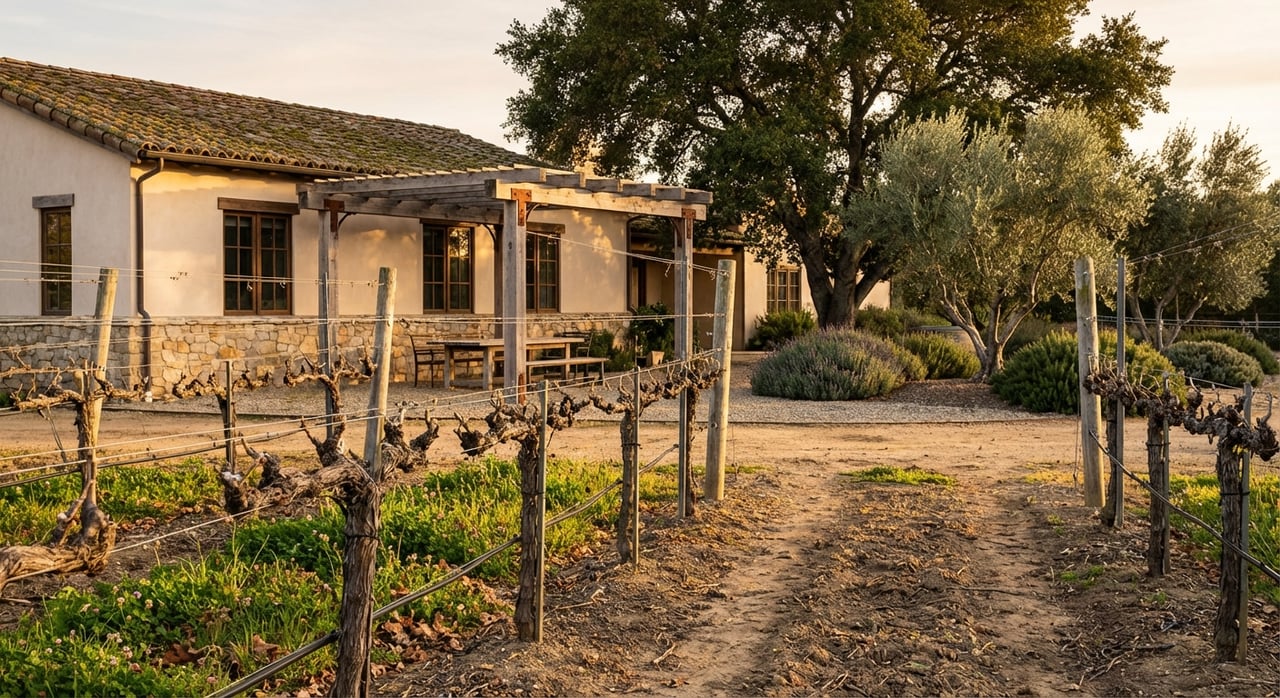
Explore the Sebastopol Vineyard Estate Lifestyle
February 19, 2026
February 19, 2026
Ever picture fog lifting off vineyard rows while your day starts with soil under your boots and coffee on the porch? If you’re weighing a move from city pace to a slower, land‑centered life, Sebastopol offers a compelling mix of cool‑climate viticulture, creative community, and farm‑to‑table access. In this guide, you’ll learn how the climate and soils shape Pinot and Chardonnay, what it takes to farm responsibly, and which permits, water, and wildfire issues you should vet before you buy. You’ll also see how local markets and culture can support your estate’s vision. Let’s dive in.
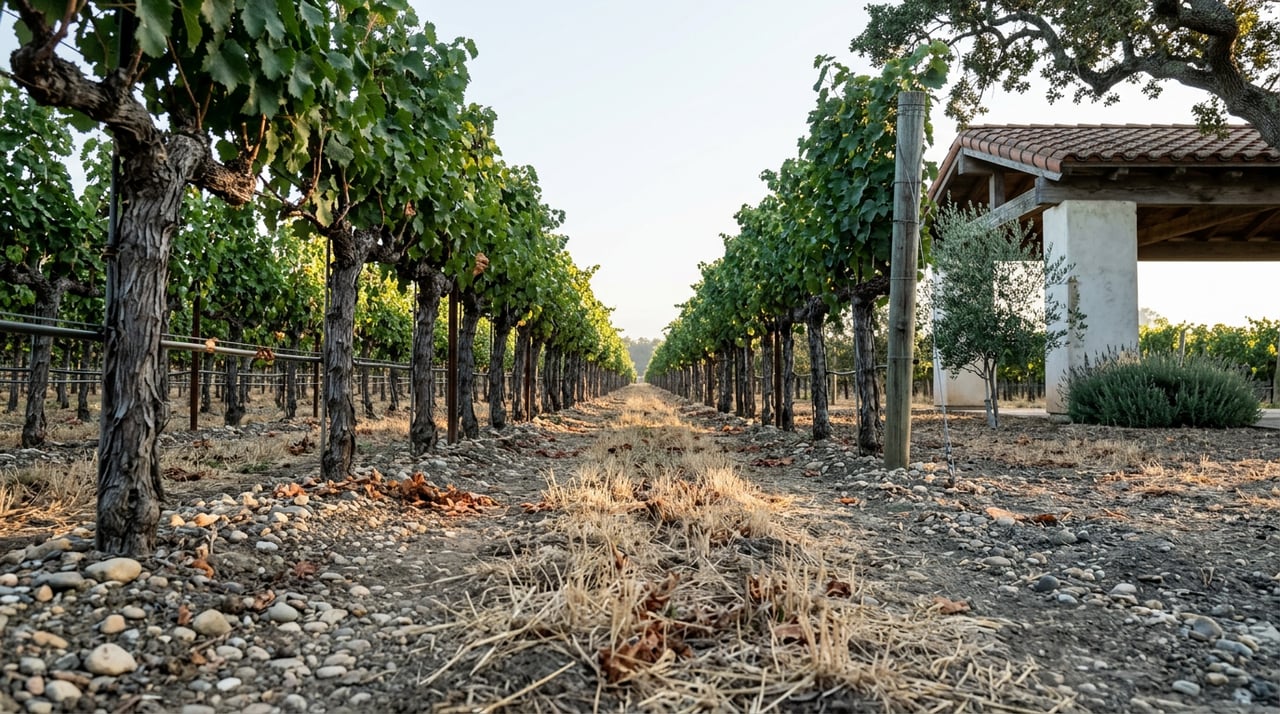
Sebastopol sits in a cool, maritime pocket of West Sonoma with winter‑heavy rainfall and frequent morning fog. These conditions favor long hang time and balanced acidity in cool‑climate grapes. You can review local climate and seasonal ranges in the city’s community profile for a quick snapshot of conditions and rhythms you’ll live with year to year (City of Sebastopol profile). Microclimate shifts block to block, so wind corridors, fog exposure, and elevation all matter when you select a site.
Sebastopol’s grower identity is tied to elegant, acid‑driven wines. Pinot Noir and Chardonnay are the regional staples, and the local hills often show a coastal‑cool expression that many winemakers prize. If label strategy matters to you, track the Sebastopol Hills AVA petition, which influences future appellation options for growers and producers (TTB pending AVA list).
Much of Sebastopol’s best farm ground sits on the Wilson Grove Formation, which weathers to the Goldridge fine sandy loam series. Goldridge is well‑drained with low to moderate fertility, a combination that encourages deep rooting and balanced vine vigor. The official USDA series description details texture, drainage, and climate ranges, and it’s a helpful reference when you plan new plantings (USDA Goldridge series). For new development, budget for a soils profile and, if needed, deep borings to map root zones and drainage clearly.
If your goal is to make site‑driven wine, Pinot Noir and Chardonnay are the safest bets. They thrive in Sebastopol’s cool, fog‑influenced climate and deliver the finesse this area is known for. Other cool‑climate whites and select Pinot clones can fit on specific aspects. Work with a viticulturalist to match clones and rootstocks to slope, exposure, and soil depth.
Sonoma’s vineyard community has broadly adopted sustainability, and many properties follow third‑party sustainable standards as a regional baseline. These programs emphasize integrated, lower‑impact practices and continuous improvement across water, soil, energy, and habitat (California Sustainable Winegrowing). Organic and biodynamic farming are present, though they cover a smaller share of total acreage. West Sonoma also features flagship biodynamic and regenerative estates that demonstrate integrated farm systems, composting, and careful water use. For an example of this model in practice, explore Littorai’s approach to generative agriculture (Littorai).
If a property is marketed as organic or biodynamic, ask for current certification or multi‑year practice records. If it’s presented as sustainable, request the certification details and audit history. These documents tell you what inputs are allowed and what to expect in annual operating rhythms.
Many Sebastopol estates combine vineyards with market gardens, small orchards, and limited livestock. This mix supports on‑site composting, soil health, and resilient cash flow. It also opens doors to local chefs, farm stands, and neighborhood buyers who value seasonal produce and eggs. If you plan to sell direct, begin relationship building early so your planting plans line up with real demand.
Getting the infrastructure right is where a dream becomes durable. A thorough review up front will save you time, money, and stress.
A large portion of the Sebastopol/Santa Rosa Plain area falls under the Santa Rosa Plain Groundwater Sustainability Agency (GSA). Parcels in GSA areas may require groundwater user registration and can be subject to fees that fund monitoring and management. Confirm whether your parcel is inside the GSA, and review current obligations and fee structures (Santa Rosa Plain GSA). During due diligence, obtain well logs, recent pump tests, and records showing seasonal performance. For irrigated acreage, document historic use and any existing metering.
In unsewered areas, onsite wastewater treatment systems are regulated by Permit Sonoma. Expect soils and percolation evaluations for new systems, and plan for operational permits if you use supplemental treatment. Request the full septic file and confirm capacity aligns with your residence, guest spaces, and any winery or tasting uses you envision (Permit Sonoma wells and septic).
If you plan to produce or bottle wine commercially, federal permitting applies. The Alcohol and Tobacco Tax and Trade Bureau (TTB) sets basic permit requirements and reviews bonded‑premises operations. State licensing and county zoning then govern tasting rooms, events, and visitor intensity. Before you commit to a property, review existing use permits, transferability, and what your zoning will allow. For AVA and labeling strategy, keep an eye on federal AVA petition activity for this area (TTB pending AVA list).
Sonoma County actively reviews winery events and visitor impacts like parking and traffic. Expansion proposals can trigger conditions of approval and additional review. For any property with a tasting or event history, request a permit and enforcement record, and understand neighborhood expectations before you scale programming (North Bay Business Journal coverage).
Check your parcel’s Fire Hazard Severity Zone (FHSZ) designation, which affects building code, defensible‑space obligations, and some disclosure requirements on sale. Recent statewide updates to Local Responsibility Area maps are rolling through local adoption. Use the current viewer to confirm the latest FHSZ status for any address you are considering (Cal FIRE FHSZ viewer). Budget for mitigation: ember‑resistant vents, roofing, defensible landscaping, water storage or pressurization for firefighting, and improved ingress/egress. Insurance availability and premiums reflect these risk factors.
The Barlow Market District is a hub for artisan food producers, tasting rooms, and small retailers. It brings visitors to town and gives estate growers a way to test products, host tastings, or supply local kitchens. If direct‑to‑consumer is part of your plan, scout the tenant mix and cadence of foot traffic to see how your brand could fit (The Barlow).
Sebastopol’s arts scene and maker community add texture to rural life and support agritourism. Seasonal festivals, film, and gallery programming create steady opportunities to connect your farm story with an engaged audience. Partnerships can range from pop‑ups to artist residencies, depending on your property’s permits and appetite for hosting.
Use this short list to structure your review and timeline.
If you are planning a move to vineyard life or weighing the sale of a legacy property, thoughtful preparation is everything. A clear picture of water, soils, permits, and fire risk builds confidence and leverage. Our family‑led team pairs deep technical insight with a trusted network of appraisers, lenders, insurers, and vineyard specialists to help you de‑risk decisions and protect long‑term value. Ready to talk your goals and timeline? Connect with Wine Country Consultants to schedule a confidential consultation.

We are a family real estate firm focused on legacy vineyards and wineries. Our unique approach to buying and selling properties highlights a deep understanding of the historical importance every property holds as well as its potential in today’s market. Contact us today to find out how we can be of assistance to you!