What to Review in Rutherford Cabernet Vineyard Due Diligence
June 4, 2026
June 4, 2026
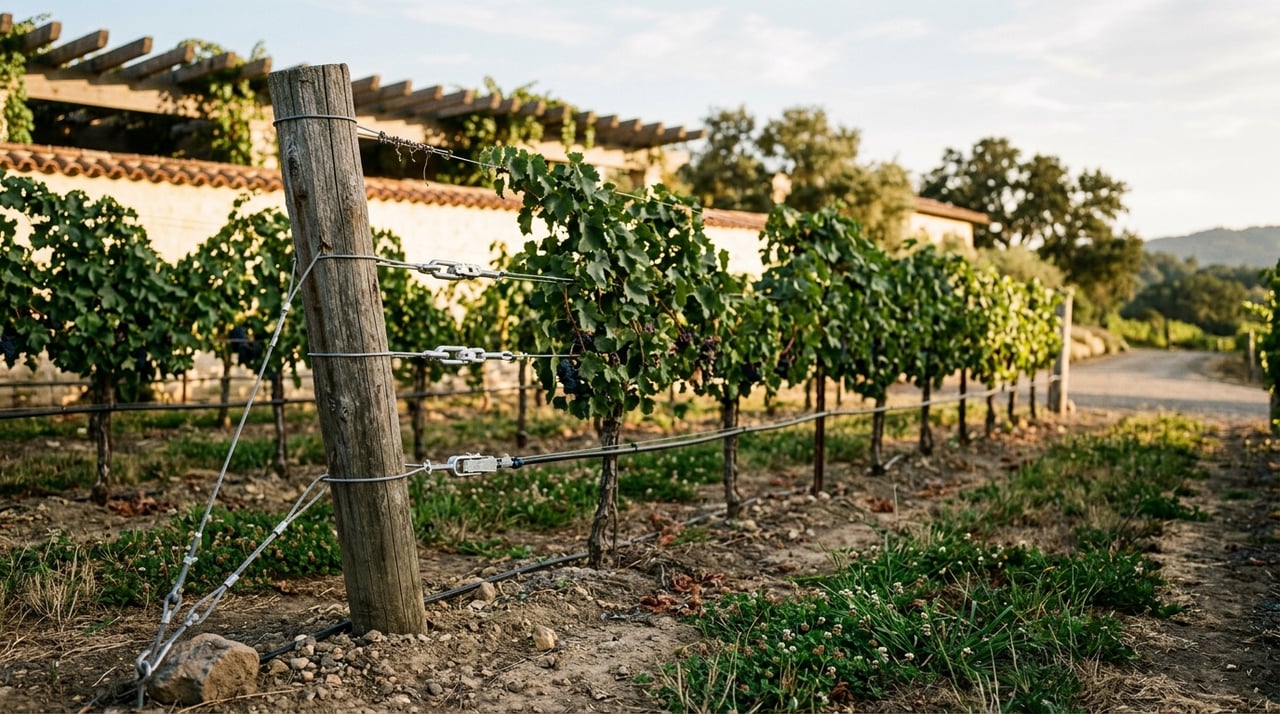
A Rutherford Cabernet vineyard can look like a straightforward trophy acquisition from the road. In reality, the value often lives in details you cannot see at a glance, including AVA status, vine health, water, wastewater, and the exact scope of existing permits. If you are considering a purchase in Rutherford, careful due diligence can protect both your operating plan and your long-term investment. Let’s dive in.
Rutherford is an established American Viticultural Area, and TTB recognizes it within the larger Napa Valley and North Coast AVAs. That matters because buyers sometimes attach value to the Rutherford name before confirming that the parcel actually falls within the legal AVA boundary. A map pin, mailing address, or marketing narrative is not enough.
Before you underwrite brand value, confirm the APN and parcel location against the applicable AVA maps and boundary rules. If your future wine is expected to carry the Rutherford appellation, at least 85% of the wine must come from grapes grown in that named viticultural area, and the wine must be fully finished in California. That makes AVA verification a core business issue, not just a branding detail.
You should also clarify exactly what is included in the sale. In some transactions, you may be buying land and vines only. In others, there may be a wine brand, label approvals, or other operating assets. Those are very different value propositions, and the Rutherford name only supports label use when the vineyard and wine facts meet the regulatory standard.
In Rutherford, jurisdiction matters early. Napa County code-compliance rules apply in unincorporated Napa County, not in city or town jurisdictions. That distinction can affect how you review existing compliance history, permitting status, and future plans for the property.
If a parcel includes or may include winery operations, hospitality, or physical expansion, this step becomes even more important. You want to know which local rules govern the site before you make assumptions about what can transfer, what can expand, and what may need new review.
A beautiful Cabernet block can still hide expensive issues. Rutherford’s reputation is tied to its valley-floor fans, contour changes, and soil differences, but the AVA name alone does not guarantee uniform vineyard quality. You need parcel-specific review rather than broad assumptions.
Start with the practical vineyard questions. Confirm vine age, rootstock, clone, spacing, trellis condition, and historical yield by block. These details shape production potential, farming costs, and the likely timing of future capital improvements.
Older Cabernet blocks deserve especially close attention. UC guidance notes that grape phylloxera can be a serious issue in Napa’s heavy clay soils, and resistant rootstocks or sandy soils are the only completely effective controls. Virus pressure also matters, and certified planting stock is part of a sound replant strategy.
Replanting is not just a farming line item. It is a timing and cash-flow event that can affect the economics of the whole acquisition. UC guidance states that vineyard establishment takes at least three years, with an economic crop generally beginning in the third year after planting.
That means a tired block can create a multi-year revenue gap even if the land remains fundamentally strong. When you inspect the vineyard, look for weak areas at block edges, low-vigor zones, irrigation irregularities, trunk disease, and symptoms that may point to phylloxera or virus issues. A realistic buyer underwrites both the direct replacement cost and the lost production period.
Rutherford’s identity is powerful, but soils still need to be tested parcel by parcel. The official rulemaking highlights important differences in soils and geomorphology across the AVA. In practice, that means you should not assume the site supports your preferred Cabernet program just because it sits within Rutherford.
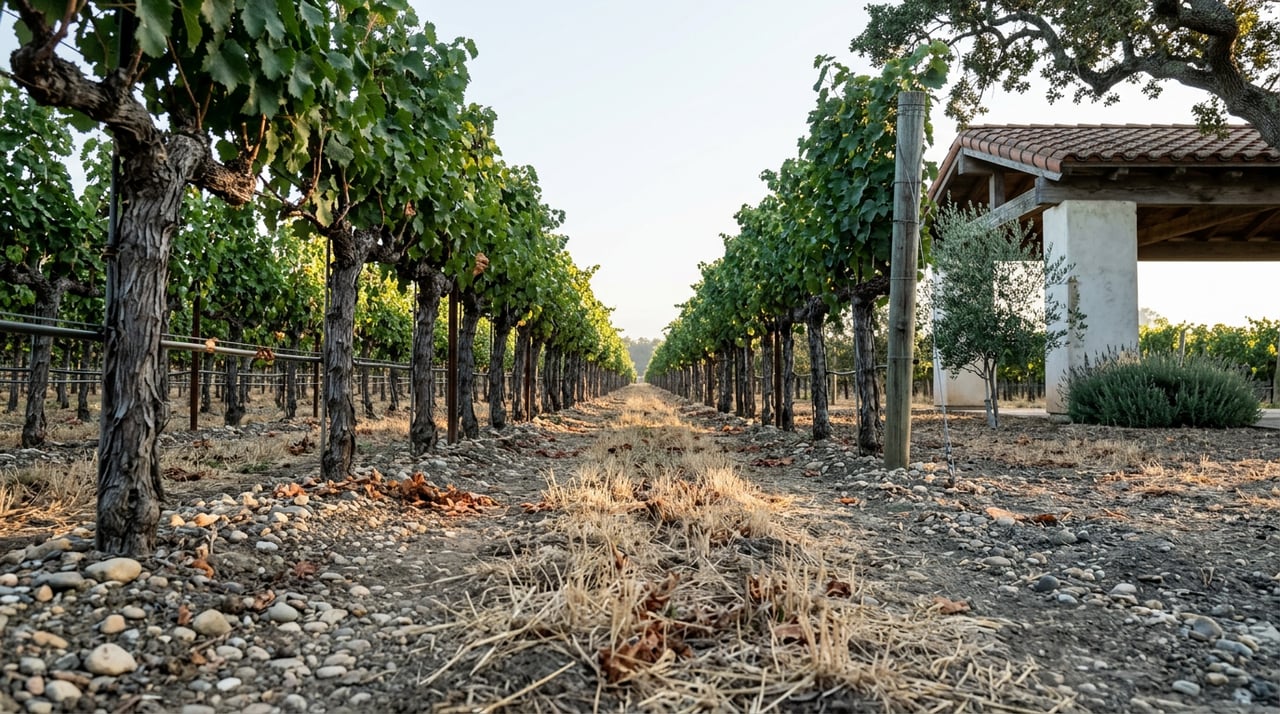
Use a soil review to understand slope, drainage, rooting depth, and erosion risk. In-field soil pits and a USDA NRCS soil review can help you evaluate whether future blocks can support your desired vine density, rootstock choices, or mechanization plan. This is especially important if you are buying with a redevelopment strategy in mind.
Water diligence should begin as early as title and permit review. In California, surface-water rights and groundwater rights are treated differently. According to the State Water Board, taking water from a lake, river, stream, or creek for beneficial use requires a water right of some type, while groundwater rights generally do not require a State Water Board permit except in limited subterranean-stream cases.
For a Rutherford vineyard, you should identify the source right away. Is the property served by a well, a creek diversion, a municipal connection, or purchased water? Each scenario has a different diligence path, and each can shape the property’s future operating flexibility.
Do not rely on seller summaries alone. Review well logs, pump tests, water-quality results, and any water-right filings or diversion statements tied to the property. If the parcel falls within the Napa Valley Subbasin, confirm whether it is subject to Napa County groundwater sustainability requirements and fees.
Napa County’s Groundwater Sustainability Agency oversees groundwater in the county, and the Napa Valley Subbasin Groundwater Sustainability Plan was approved by the California Department of Water Resources in January 2023. The county also adopted groundwater sustainability fees in December 2025 for properties in the Napa Valley Subbasin. Those facts make groundwater diligence part of both legal review and operating-cost review.
Many buyers focus on vines first and infrastructure second. In vineyard and winery acquisitions, that order can be expensive. Wastewater, septic capacity, fire-water storage, and road access can become gating items for production or hospitality plans.
Napa County’s well and onsite wastewater program handles water well construction, soil borings, monitoring wells, geothermal wells, alternative sewage systems, and winery wastewater ponds and holding tanks. If you are considering new or expanded water systems that trigger county or state drinking-water review, Napa County requires a source description, a 10-year reliability demonstration, safe well yield, maximum-day demand, and source-water quality analysis.
Wastewater deserves special attention if a winery component is involved. Napa County states that wineries producing 10,000 gallons or more per year of process waste that discharges to land, and that are not already covered by a separate county waste discharge requirement, must enroll in the statewide General Winery Discharge program. That is a material diligence item if production is part of the purchase or future plan.
If hospitality is part of your vision, infrastructure questions become broader. Napa County requires a water system feasibility report when the system will serve 25 or more people or when a commercial kitchen is proposed. That means tasting, events, food service, and visitation plans should be tested against actual site capacity early in the process.
This is one reason experienced buyers review physical systems and permitting together. A site may feel large enough for growth, but utility and wastewater constraints can narrow your practical options long before acreage does.
One of the most important diligence steps is comparing the property’s current entitlements with what you actually want to do. A vineyard purchase may seem simple until you discover that your intended production, visitation, events, parking, or food service would require more than a permit transfer.
Napa County winery applications require an Initial Statement of Grape Source, and letters of commitment from grape suppliers may be required before building permits are issued. New wineries and certain expanding wineries also need to meet the county’s 75% Napa grape rule. Because of that, existing grower contracts, custom-crush arrangements, and supply commitments should be reviewed before closing, not after.
Review the use permit, marketing program, visitation limits, hours of operation, food-service scope, and parking count. Confirm whether custom-crush activity happens on-site or off-site and whether those agreements match the permit file and actual production pattern. A mismatch between paper entitlements and current practice can affect risk and future approvals.
The Winery Development Area also deserves careful review. Napa County defines it broadly to include not just buildings, but also production-related paved or semi-permeable areas, offices, laboratories, kitchens, tasting rooms, and employee parking. Winery Coverage goes further and can include driveways, loading areas, outside work and storage areas, and above-ground wastewater or runoff treatment systems.
The practical takeaway is simple: a site can hit an entitlement limit before it runs out of physical land. If you are buying for future expansion, that distinction matters.
In Napa County, neighbor and community impacts are a central part of winery review. Event plans must show the distance from outdoor event areas to the nearest off-parcel residence. Similar setback information is required for on-site consumption areas.
For some projects, a major modification checklist may also require a noise study within 500 feet of a sensitive receptor, a traffic study, road-standard compliance review, wastewater feasibility analysis, and food-service disclosures. Even if a proposal generates fewer than 110 new daily trips, physical road improvements may still be triggered under county review.
If your plan includes non-winery uses, such as restaurant or residential components, additional county review may be required. For complex winery projects, a Napa County pre-application meeting is often a smart early step because it helps test feasibility before significant design or acquisition costs pile up.
For most Rutherford Cabernet vineyard acquisitions, the strongest review process focuses on five core buckets:
When those five pieces align, you have a much clearer view of value and risk. When one of them is weak, the purchase may still work, but only if pricing, timing, and capital planning reflect reality.
Rutherford remains one of Napa Valley’s most closely watched Cabernet markets, and buyers are often balancing agricultural value, production potential, and long-term brand significance at the same time. That combination can reward disciplined underwriting, but it can also punish assumptions.
The best acquisitions tend to be the ones where land, water, infrastructure, permits, and brand strategy line up before closing. If you approach due diligence with that mindset, you are far more likely to protect both the asset and the vision behind it.
If you are evaluating a Rutherford Cabernet vineyard and want discreet, experienced guidance through the diligence process, Wine Country Consultants can help you assess the moving parts with the care these legacy assets deserve.






We are a family real estate firm focused on legacy vineyards and wineries. Our unique approach to buying and selling properties highlights a deep understanding of the historical importance every property holds as well as its potential in today’s market. Contact us today to find out how we can be of assistance to you!